By Eric Yoder
Something to be aware of when buying your first home is your credit score. Your credit score can, believe it or not, make or break your home-buying process. Before diving headfirst into the home-buying process for the first time, it’s important to understand how your credit works and how you can potentially improve it. A better credit score leads to better loan options, lower interest rates, and a smoother approval process. We’ll explore some tips that first-time home buyers will need to make the process easier, but first:
What is a Credit Score?
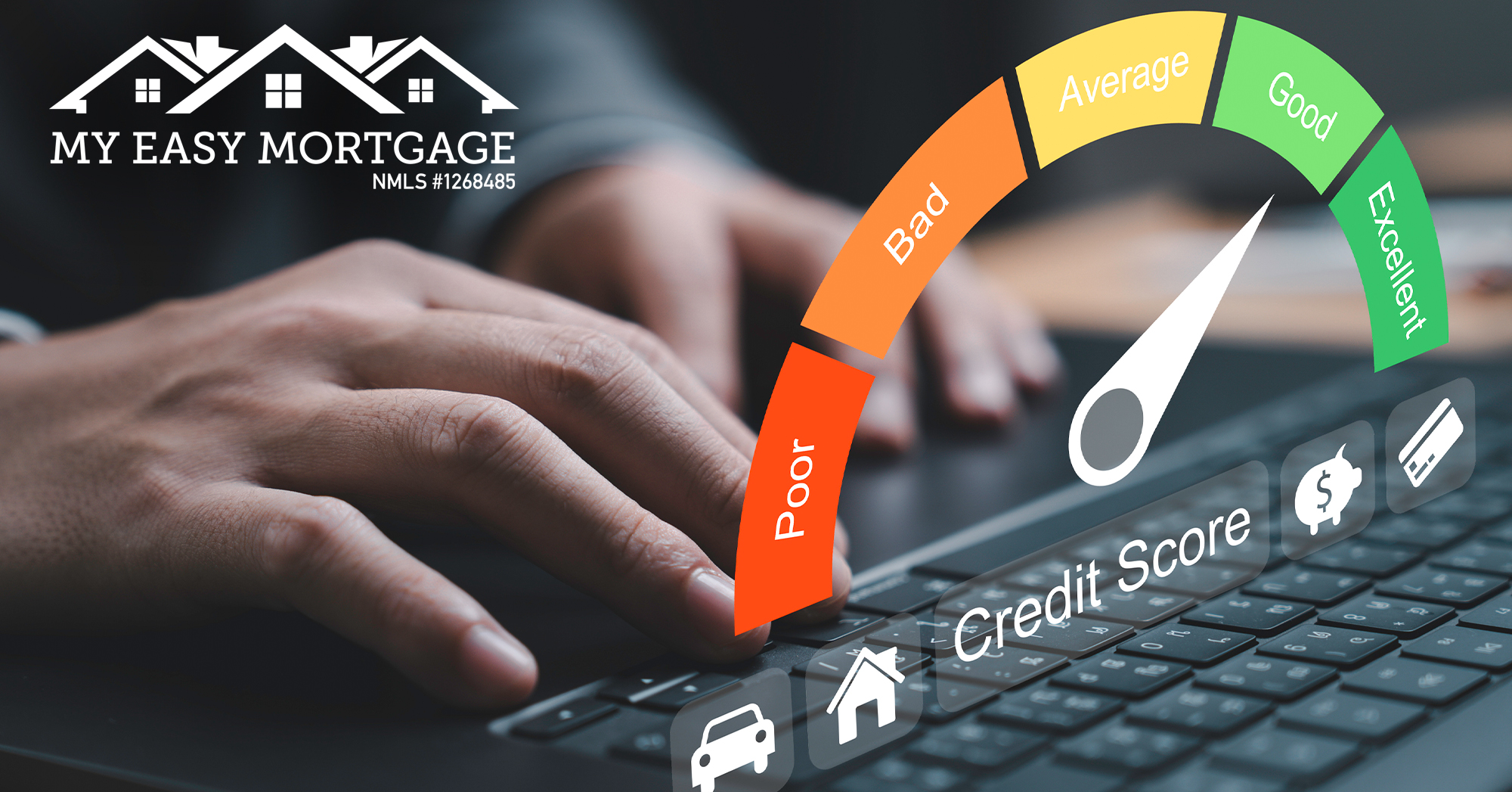
A credit score is a three-digit number that reflects whether you pay your bills on time and your overall credit health. Credit scores range from 300 to 850. The higher your credit score is, the more likely creditors and lenders will approve you for new credit opportunities.
There are three main credit reporting agencies (CRAs) in the US – Equifax®, TransUnion®, and Experian® – that can provide you with a quick, free snapshot of what your credit might look like.
Here are some recommendations for navigating your credit score during your first home purchase.
1. Know Your Credit Score Before You Apply
Know your credit months before you contact a mortgage broker. The earlier you see your score, the more time you’ll have to make necessary improvements to your score. If you start the mortgage process only to find major credit gaps, your loan will be delayed.
As discussed earlier, you can obtain a free credit report from the three big credit reporting agencies: Equifax, TransUnion, and Experian. Scan all these reports for any negative impacts and identify exactly how to fix them.
2. Understand What Lenders Look For
Your credit score is important in the process, but it’s not the only thing that mortgage lenders will look at. Some items of importance that lenders will scour include
- Payment history – whether or not you’re making your payments on time
- Credit utilization – how much available credit you’re using
- Length of credit history – how long you’ve been using credit
- Credit mix – the diversity of your credit accounts
- Recent inquiries – whether or not you made any credit inquiries in the last year
Consistency is vital, and if lenders see that you’re a consistent and on-time payer, they will allow you more leeway in the process.
For first-time buyers, consistency matters more than perfection. A steady history of on-time
3. Keep Credit Card Balances Low
Credit cards will help with payments, absolutely, but how often you utilize credit cards is a major determining factor in your credit score. Many credit companies advise using less than 30% of available credit. If you’re looking to enter the home-buying market, the ideal credit utilization is below 10%. Any outstanding balances should be paid off before applying for a mortgage, especially for a first-time home buyer.
4. Avoid Opening New Accounts Before Buying
As you’re thinking about buying a house, things like utilities, furniture, and maintenance often come to mind. When considering these factors, your first thought may be to open a new credit card. This thought process would be like putting the cart before the horse. Obtaining these new credit inquiries can lower your credit score, leading to longer approval processes. You must limit your credit activity over the 6 months before starting a mortgage application, aiming to keep your credit utilization below 10%.
5. Make Every Payment On Time—No Exceptions
It may sound obvious, but missing payments can be detrimental to your credit score. The last thing you want when buying your first home is to deal with late payments or election results.
Your best bet in these scenarios is to set up reminders or autopay. Bills can stack up if you don’t take care of them, so setting these reminders allows you to take a look at your finances and create personalized payment plans for each bill. Late payments can remain on your credit report for years and will be a sore spot for those who create hard credit pulls.
6. Don’t Close Old Credit Accounts
While creating new credit accounts can lower your credit score, it may seem that closing credit accounts can raise it. This line of thinking is incorrect, as closing lines of credit does not improve authenticity or establish the length of your credit history.
Even if you no longer use some of your older credit cards, especially not when trying to limit Credit usage, it’s important to keep those accounts open during this entire process.
7. Talk to a Mortgage Professional Early
Before you start your mortgage application, it’s essential to reach out to a licensed mortgage professional who can help determine what would be the best loan type for you based on your credit score. There are loan types, such as FHA or VA loans, that accept lower credit scores, making it easier for first-time homebuyers. Other loan types, like conventional loans, are less forgiving and will require you to fix your credit score before moving forward.
For first-time homebuyers, Eric Yoder is an excellent resource who can walk you through your options and financial goals.
Conclusion
Having strong credit gives you more buying power and access to long-term savings. Take these steps to ensure you’re on the road to approval and favorable loan terms.
Whether you are a first-time buyer or looking to refinance, My Easy Mortgage, a reputable mortgage broker located at 2405 Creel Lane, STE 102, Wesley Chapel, FL 33544, and 16703 Early Riser Ave, Suite 266, Land O’Lakes, FL 34638, has a team of experienced professionals who can guide you through the process. Contact them at (813) 513-9846 to discuss your mortgage needs.